
How B2B Founders In New York Can Use Founder-Led Content for SEO & AI Search Visibility
Overview
Before your prospect replies to a single email, they have already searched the problem, watched YouTube videos, and asked ChatGPT who to trust. The founders showing up in that moment are combining blog posts that rank on Google with YouTube videos that build trust on camera, and both channels feed AI platforms the context they need to recommend you.
When every blog and every video is built around the same topics your buyers are already searching for, your brand starts showing up before any sales conversation ever starts.
Your Buyers Are Already Deep Into the Research. You're Just Not There Yet.
Your next client is not waiting for your cold email. They are already moving. They have felt the pain, named the problem, and opened a browser tab. They are Googling, scrolling YouTube, asking ChatGPT, and building a shortlist of vendors they trust before a single sales conversation takes place.
This is the modern B2B buyer journey. It is not linear. It is not predictable. It is a messy, self-directed research process that happens entirely outside your control, unless you have content sitting inside it.
A buyer might watch three YouTube videos, read two blog posts, ask Perplexity for a recommendation, and check a founder's LinkedIn presence before they ever respond to an outreach message. By the time they talk to a salesperson, their opinion is already forming. In some cases, it is already formed.
Here is the question worth sitting with: if you do not have content showing up in that research window, how do you expect to be part of that conversation?
The B2B founders who are winning the visibility game right now are not just writing blog posts and hoping for traffic. They are building a multi-channel content presence that shows up everywhere their buyer is looking, earns trust before any human interaction happens, and compounds in value every single month it runs. That is what this post is about.
The 2026 Founder-Led SEO Content Game Plan
The old model was simple. Write blogs, rank on Google, get traffic. That model is not dead, but it is no longer enough on its own. The search landscape in 2026 looks nothing like it did three years ago.
Your buyers are not just using Google. They are using ChatGPT to ask which vendors are worth talking to. They are using Perplexity to get sourced answers to specific questions. They are using YouTube as a research tool, not just an entertainment platform. And they are doing all of this before they ever raise their hand. If your content strategy does not cover these surfaces, you are invisible in the moments that matter most.
“The founders who are cutting through in this environment are combining two channels that most B2B companies treat as completely separate strategies: long-form blog content and founder-led YouTube.”
The founders who are cutting through in this environment are combining two channels that most B2B companies treat as completely separate strategies: long-form blog content and founder-led YouTube.
Together, they create something neither channel produces alone. Blogs give you written authority, keyword depth, and crawlable text that Google and AI engines can index and reference. YouTube gives you video authority, transcript data, topical signals, and a presence on the second largest search engine in the world.
When both channels are built around the same core topics and the same ICP pain points, they reinforce each other. The algorithm on each platform gets a cleaner, more consistent signal about what you do and who you do it for. AI engines have more surface area to pull from when recommending a solution in your space. And your buyer encounters the same founder, the same perspective, and the same brand no matter where their research takes them.
This is the 2026 founder-led content game plan. Not blogs or YouTube. Both, unified, strategic, and built to compound.
Where Blog Content Builds the Foundation
Blog content still does a job that no other channel does as efficiently. It gives search engines something to crawl, index, and serve to buyers who are typing specific questions into a search bar.
When your blog is built around a focused B2B content strategy, grounded in what your ICP is actually searching for rather than what you feel like writing about, it starts to accumulate topical authority. Google begins to understand that your site has something credible to say about a specific set of problems.
Over time, new posts rank faster because the foundation underneath them is solid. That compounding is real, but it only happens when the content is strategic and consistent. Publishing one blog every six weeks does not build authority. It just generates a small archive nobody finds.

The most important shift in how blogs contribute to AI visibility is what happens when your written content is referenced by AI platforms. ChatGPT, Perplexity, and Google's AI Overview tools are actively pulling from indexed web content to construct answers to the questions your buyers are typing.
If your blog has a clear, authoritative answer to a question your ICP is asking, there is a real chance that AI platform surfaces your content, your brand, or your perspective in the response.
That is not a paid placement. That is earned discoverability built through the quality and relevance of what you have published. And it is one of the most underleveraged advantages available to B2B founders right now.
The catch is that blogs alone cap out. They build written authority and drive search traffic from people who are actively searching. But they do not create the kind of trust that comes from seeing a real person explain a concept, address an objection, and demonstrate genuine expertise on camera. For that, you need the channel that almost no B2B founder in your space is using strategically.

The YouTube Reveal: The SEO Asset Nobody in B2B Is Talking About
Here is the thing about YouTube that most B2B founders completely miss. It is not a social media platform. It is a search engine. The second largest in the world, owned by Google, and increasingly being used by B2B buyers to research solutions to real problems.
When your ideal client types a question into YouTube, they are not looking for entertainment. They are looking for someone who understands their problem well enough to explain it clearly on camera. If you show up in that moment, with a video built around the exact question they just searched, you are not interrupting their day. You are the answer to it. That is a different relationship than any cold email can create.
But the SEO angle is what makes YouTube genuinely powerful for founder-led content, and it is where most people stop short of the full picture. Every video you publish on YouTube comes with a title, a description, tags, and a full auto-generated transcript. All of that is crawlable.
Google indexes it. AI engines read it. When a buyer asks ChatGPT which RevOps agencies are worth talking to, or asks Perplexity what a modern GTM content strategy should look like, those platforms are pulling from indexed video content alongside written content.
A founder who has published fifteen focused videos around the same set of ICP pain points is building topical authority on a platform that feeds directly into how Google and AI engines understand and categorize their brand.
Your transcript is essentially a blog post that lives inside a video. Your title is a keyword signal. Your thumbnail communicates relevance before anyone clicks. And because YouTube content gets recommended to viewers who are watching related content in the same category, your videos keep finding new buyers even when you are not actively pushing them.
That is not how a blog post works. A blog post waits to be found. A YouTube video gets distributed. The compounding effect of building a focused founder-led YouTube channel around a specific set of revenue topics is one of the most underutilized moves in B2B content marketing right now, and the founders who figure this out early are building a visibility advantage that will be very hard to close later.
How AI Engines Actually Read Your Content
Understanding how AI platforms process and surface content changes how you think about everything you publish.
When a buyer asks ChatGPT or Perplexity a question related to your space, those platforms are not just searching the web in real time. They are drawing on indexed content, domain authority signals, and the density of relevant information a brand has produced around a specific topic.
A founder who has published a consistent body of content, both written and video, around a tightly defined set of ICP problems gives AI engines significantly more to work with. The more context an AI engine has about what you do, who you serve, and what problems you solve, the easier it becomes to recommend you when the right query comes in.
This is why topic unity matters more than volume. Publishing twenty blog posts and ten videos that all address slightly different audiences, in slightly different niches, with no clear topical spine, confuses the algorithm on every platform.
YouTube's recommendation engine does not know what category to put you in. Google's crawlers cannot establish what your site's core expertise is. AI engines do not have enough consistent signal to confidently recommend you for anything specific. You become a generalist in a world that rewards specialists.
Contrast that with a founder who publishes every piece of content, blog and video, around the same core set of revenue topics their ICP cares about. Over time, the algorithm on each platform gets a cleaner signal. Topical authority accumulates.
AI engines build a clearer model of what this brand knows and who it serves. And when a buyer types a relevant query into ChatGPT at 11pm before a vendor meeting, your name has a higher probability of coming up.
The mechanism that makes this work is consistency around a single core topic, executed across multiple surfaces simultaneously. That is what creates the compounding visibility effect. Not just blogs. Not just videos. Both, publishing together, reinforcing the same signal.
The System: How Hyve is Building This for B2B Founders in New York
This is not a strategy you piece together from blog posts and YouTube tutorials. It is a system, and the way you build it matters as much as the idea behind it.
Every new Hyve client engagement starts with a research process that most content agencies skip entirely.
Here is exactly how it works:
Scrape what your buyers are already asking.
ChatGPT, Perplexity, and Google's People Also Ask are mined for the exact queries your ICP is typing in right now. These become the content briefs.
Validate with keyword research.
Mid-volume, lower-competition keywords in your specific industry are layered on top to confirm real search demand and identify where you have a realistic shot at ranking.
Build every piece of content around the same topical core.
The blog targets the written search query. The YouTube video targets the same topic through a visual format. Two surfaces. One unified strategy. (We did this using the video above in this article… Pretty good, right?)
Repeat.
Every month the same process runs, adding another layer of topical authority across both channels until your brand is the answer that keeps showing up wherever your buyer is looking.
This unified approach is what creates the compounding effect. Your blog and your YouTube channel are not two separate content strategies. They are two surfaces of the same strategy, reinforcing the same authority signal across every platform your buyer is using to research before they ever raise their hand.
That is the idea. Here is what it looks like in practice.
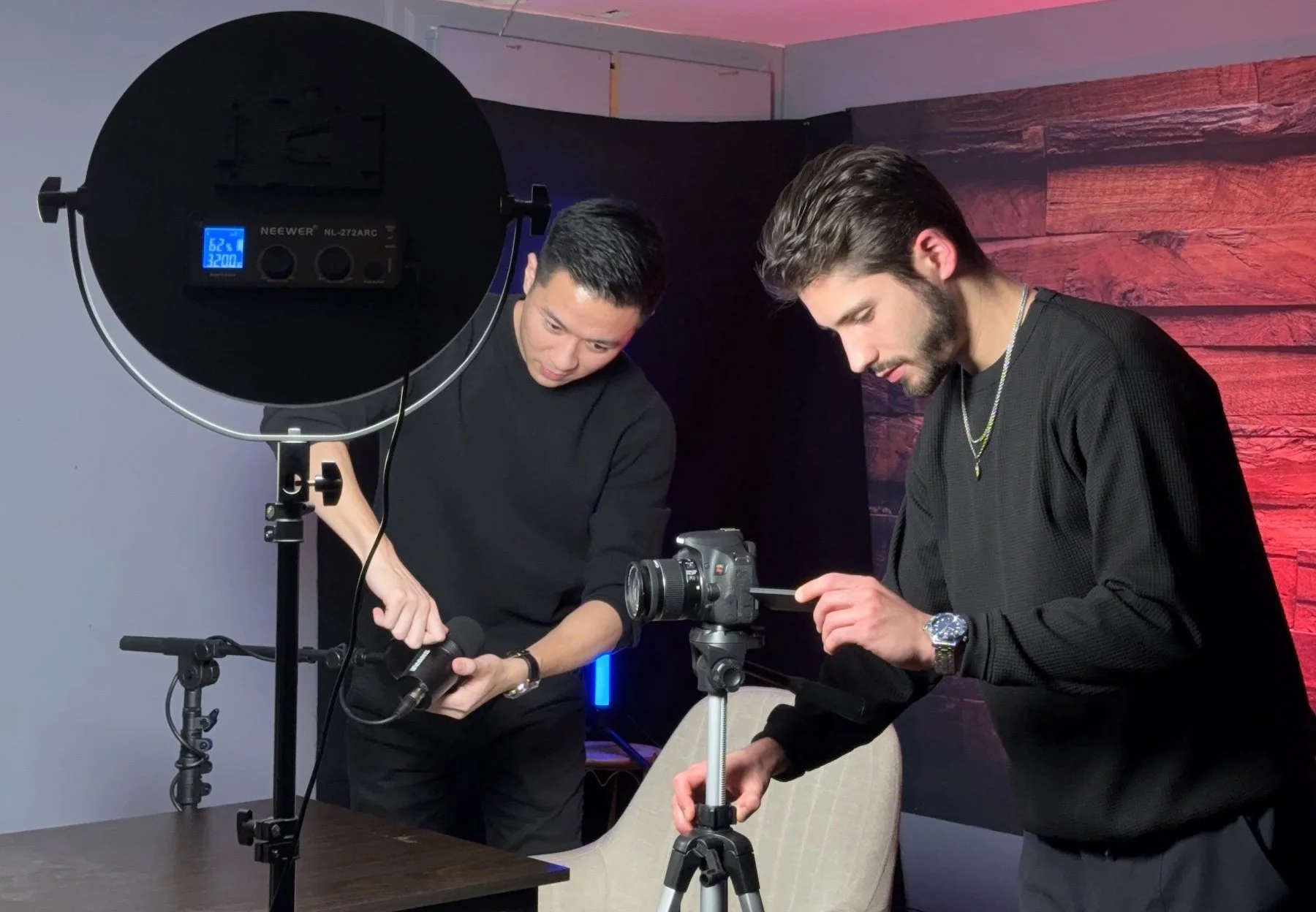
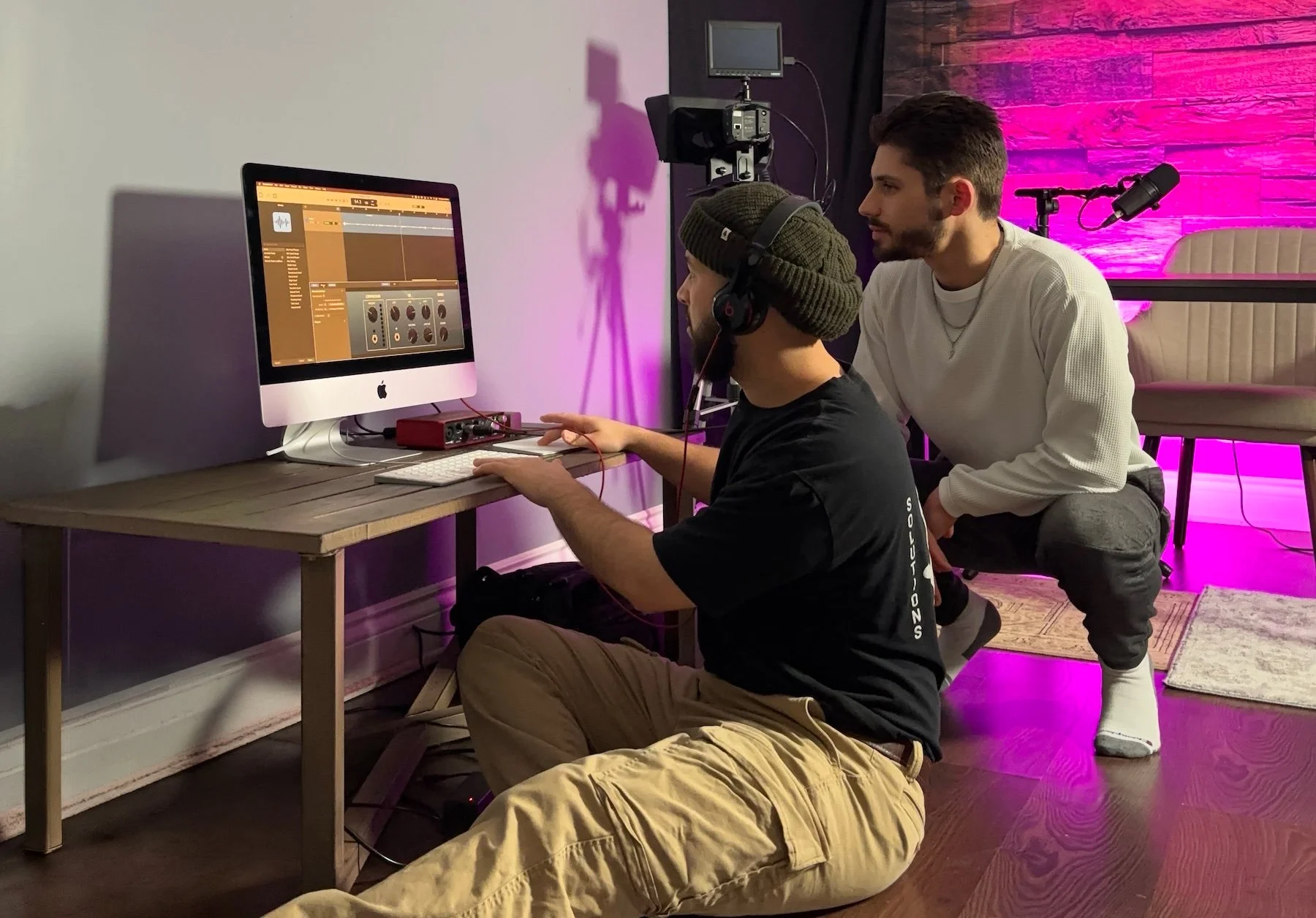
The GTM Video Content Engine runs on two hours of the founder's time per month. Hyve comes onsite to film. Scripting, editing, distribution, keyword alignment, and YouTube optimization are handled entirely by the team. The starting point is never a content calendar. It is a deep discovery process that extracts the real sales intelligence behind the business, the objections stalling deals, the questions buyers ask before they say yes, and the beliefs a prospect needs to hold before they are ready to have a real conversation. Those answers become the content roadmap.
Hyve ran this exact system on its own brand and grew organic traffic by 793 percent, including a 1,069 percent increase in organic unique visitors. When publishing paused in Q2, traffic dropped. When blog and YouTube ran together from Q3 onward, the two channels compounded into the highest-performing month of the year. That is the system working.
If you are a B2B founder in New York ready to build a content presence that does real work inside your revenue motion, the next step is a conversation.
Conclusion
What you now understand that you did not before you read this post is that SEO and AI search visibility in 2026 is not a writing problem. It is a presence problem. Your buyers are self-educating across multiple platforms before they ever engage with a vendor, and the founders who show up consistently across those surfaces with relevant, authoritative content are the ones who get included in the conversation.
Staying invisible in that research window has a cost. Every time a buyer asks ChatGPT for a recommendation and your name does not come up, every time they search YouTube for a question you could have answered and find a competitor instead, that is a deal that started moving in the wrong direction before you even knew it existed.
The move is not complicated, but it does require a system. Unified blog and video content, built around what your ICP is actually searching for, published consistently, and optimized for the platforms where your buyers are forming opinions. That is the visibility engine. And the founders who build it now will be very hard to catch later.
Curious how this could work for your business?
Designed for B2B Founders…
Your Entire Video Content Engine—
Built, Managed, & Published For You.
Become Known, Trusted,
& Chosen in Your Industry
Record For 2 hrs/mo & Launch Your First Video in 30 Days
FAQS
-
AI platforms like ChatGPT and Perplexity pull from indexed content when constructing answers to buyer queries. When a founder publishes consistent, topically focused content across both blog and YouTube, those platforms have more surface area to draw from when recommending solutions in that space. The more context an AI engine has about what you do and who you serve, the more likely your brand surfaces in relevant searches.
-
YouTube is the second largest search engine in the world and is owned by Google. Every video published comes with a crawlable transcript, a title that functions as a keyword signal, and metadata that feeds directly into how Google categorizes the content. When a founder publishes consistently around a specific set of ICP topics, YouTube's algorithm builds a clear topical association and Google indexes the video content alongside written search results.
-
Founder-led content puts a real person, with genuine expertise and a specific point of view, in front of the buyer. Buyers trust people before they trust brands. When a founder is consistently on camera explaining problems, addressing objections, and demonstrating knowledge, it builds the kind of credibility that a company blog or a polished brand video cannot replicate. It also performs better on YouTube, where personal, direct, expertise-driven content tends to hold attention longer than corporate-produced alternatives.
-
The research process starts with what buyers are actually asking. That means scraping ChatGPT, Perplexity, and Google's People Also Ask results for the exact queries your ICP is typing in, then layering keyword validation on top to confirm search volume and competition levels. Topics that appear across multiple platforms, both as AI queries and as keyword searches, become the highest-priority content because they represent real buyer intent at scale.
-
Visibility compounds over time rather than spiking immediately. Blog content typically begins gaining traction within three to six months of consistent publishing, with acceleration as topical authority builds. YouTube content can surface in search results faster depending on the competition level of the topic, and the combination of both channels reinforces each other's authority signals. Hyve's own data showed compounding month-over-month growth when blog and YouTube publishing ran simultaneously, with the highest-performing traffic month occurring when both channels had been running together consistently for several months.
