
What Are The Key Metrics To Track In B2B Content Marketing?

Table of contents
Why Metrics Matter More Than Ever in B2B Content
The Problem With Traditional Content KPIs
The Two Buckets: Awareness Metrics vs. Activation Metrics
Key Metrics That Actually Move the Revenue Needle
Content Influence vs. Attribution: What to Know
How to Measure Silent Funnel Impact From Video Content
The Operational Backbone: Systems to Track Performance
Hyve’s Approach: Outcome-Driven Content Measurement
Conclusion: From Vanity Metrics to Strategic Leverage
FAQs
Why Metrics Matter More Than Ever in B2B Content
In a landscape of bloated content calendars and low-performing blogs, tracking the right metrics is the difference between growth and noise. B2B buyers are more educated and less forgiving. That means your content needs to be accountable, not just visible.
But here's the catch: most teams still obsess over the wrong numbers. They're measuring content like it’s a media brand, not a revenue engine.
The Problem With Traditional Content KPIs
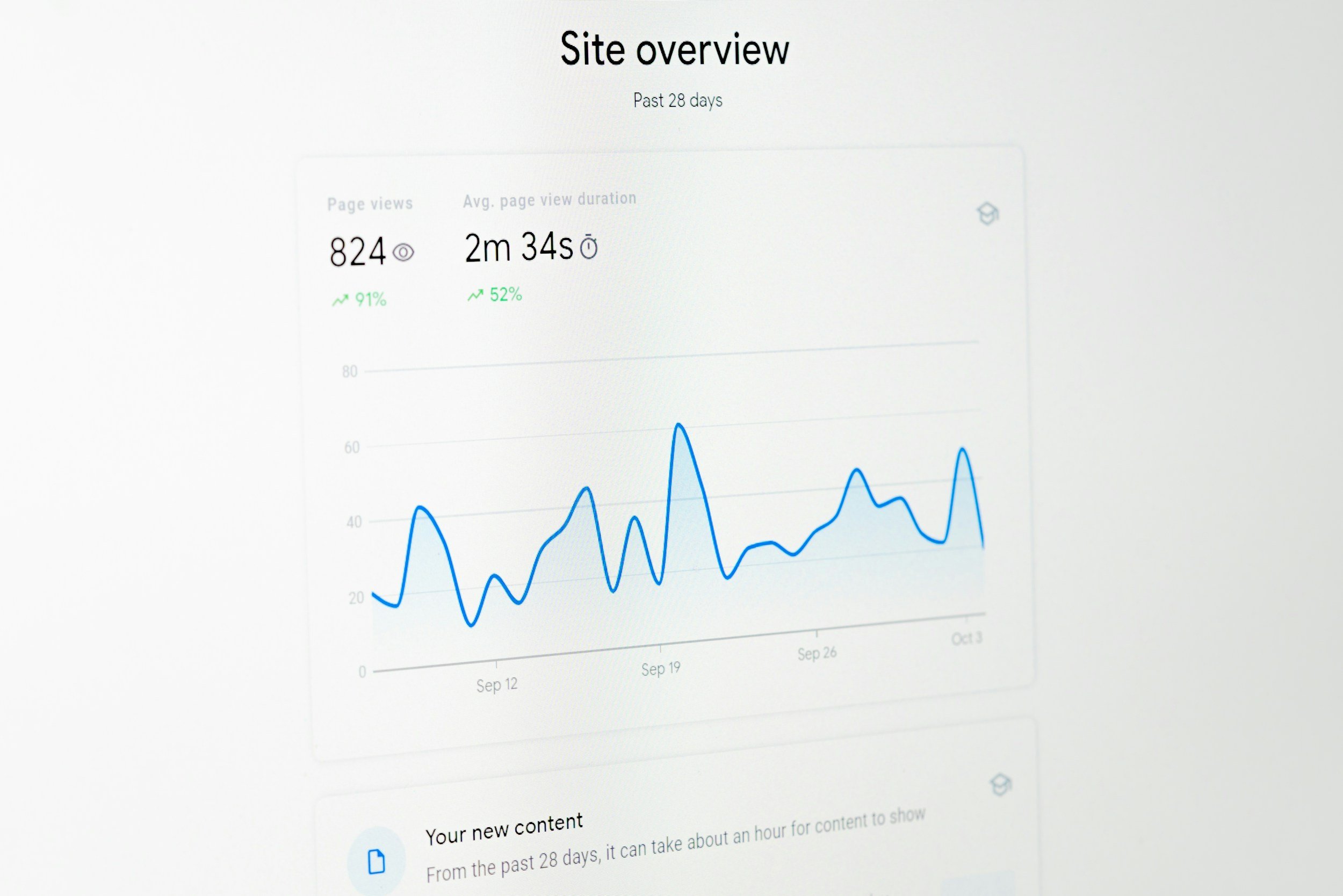
Pageviews, likes, and social shares look good in marketing dashboards, but they rarely correlate with business outcomes. In B2B SaaS and tech, it’s not about how many people read your blog, it’s about whether the right people did, and if they took the next step.
A well-optimized blog with 500 targeted views that generates five demo calls is infinitely more valuable than a viral post with zero intent. Volume is vanity. Movement is the metric.

The Two Buckets: Awareness Metrics vs. Activation Metrics
You can split your content performance into two buckets: awareness and activation.
Awareness metrics include impressions, organic reach, search rankings, and click-through rates. These are useful to know if your content is getting seen.
But the gold lies in activation: demo conversions, form submissions, sales cycle acceleration, influenced pipeline, and post-view behavior. If you want to prove your content strategy for SaaS is working, start here.
Look at my YouTube video where I talk about AI in B2B in 2025/2026:
Key Metrics That Actually Move the Revenue Needle
Start by tracking how content supports each stage of the buying journey. This includes:
First-touch conversions: How many users first discovered you through content?
Assisted conversions: Did a piece of content influence a deal, even if it wasn’t the last touch?
Time to demo: Are prospects who engage with certain blogs or videos converting faster?
Sales enablement usage: Are reps actively using your content in deals?
These are the metrics that speak sales’ language and help you build a business case for your b2b saas content marketing strategy.
Content Influence vs. Attribution: What to Know
Attribution is linear. Influence is messy. And in B2B, influence wins.
You might not always get “credit” for a YouTube video watched at 11pm before a big buying committee meeting. But that video likely played a role in the deal.
This is why tracking influence, like multi-touch attribution models, post-view surveys, and anecdotal sales feedback, is critical to proving the real impact of your content marketing for b2b saas.
Wondering How To “Pre-Sell” Your Prospects Before Sales Calls?
Get Our Step-By-Step Playbook Below That Shows How We Do It
How to Measure Silent Funnel Impact From Video Content
Video content is especially difficult to track with traditional attribution tools, but it’s often the most influential. This is where qualitative data becomes essential.
Look at:
Drop-off rates: Are people watching to the end?
Video-assisted conversions: Are demo requests up in users who’ve viewed video?
Sales anecdotes: Are reps hearing “I saw your video” in conversations?
A well-executed YouTube video campaign can warm up cold leads, close gaps in your outbound, and drastically reduce sales friction. This is where your content saas strategy turns into true GTM leverage.
The Operational Backbone: Systems to Track Performance
You need infrastructure, not just insight. Without the right tools and processes, even the best content becomes a black box.
Use tools like GA4, HubSpot, and attribution platforms to set up meaningful content funnels. Make sure UTMs are tracked, video engagement is recorded, and CRM notes include content touchpoints. Then build weekly reporting cadences that highlight patterns, not just numbers.
That’s how your saas content becomes a measurable, repeatable growth lever.
Hyve’s Approach: Outcome-Driven Content Measurement
At Hyve, we don’t measure content by clicks. We measure it by contribution.
Our GTM Content Engine tracks how each asset supports acquisition, sales enablement, and onboarding. From saas content marketing examples to full-blown video funnels, we build systems that tie visibility to velocity.
This includes influence mapping, demo lift tracking, and warm lead identification, all tied to your real-world GTM outcomes.
THE BOTTOM LINE: From Vanity Metrics to Strategic Leverage
If your content isn’t shortening sales cycles, generating leads, or moving pipeline, then it’s just overhead.
The future of content marketing for SaaS companies is accountable, aligned, and actionable. It’s not about publishing more. It’s about publishing smarter, and tracking what actually matters.
Your metrics shouldn’t just describe performance. They should direct it.
Part of a B2B Team that feels like content and operations chaos?

Book a free call with us to audit your current systems and see how we help B2B teams adopt AI content and Ops engines to run and scale like clockwork.
FAQS
-
Track demo conversions, assisted pipeline, sales enablement usage, time-to-demo, and content-assisted revenue, not just traffic.
-
They give the illusion of progress without correlating to actual business outcomes like pipeline or sales velocity.
-
Use drop-off rates, demo lift, and qualitative sales feedback to assess the true influence of YouTube and video assets.
-
Attribution shows direct paths to conversion. Influence shows how content shapes decision-making, even if it's not last touch.
-
We track contribution to GTM outcomes, demo lift, sales velocity, and content-assisted close rates, through systems and strategy.
